
Key Takeaways
- Older fashion is about celebrating your personal style, not following rigid rules or chasing every trend. You already know what works – this article helps you refine it.
- Timeless styles are a smart foundation for older women’s wardrobes: a great black dress, a wrap dress, and well-fitting trousers form a base you can build on for years.
- Comfort and style are not opposites. Better fabrics, smart tailoring, and shoes you can actually walk in are non-negotiable and still very chic.
- Refreshing your hair, glasses, and makeup is part of keeping your look current – it is about expression, not “fixing” anything.
- A small, thoughtful capsule wardrobe can deliver endless casual outfits and fabulous outfits for every occasion, from running errands to evening celebrations.
Older Fashion Today: Confidence, Joy and Personal Style
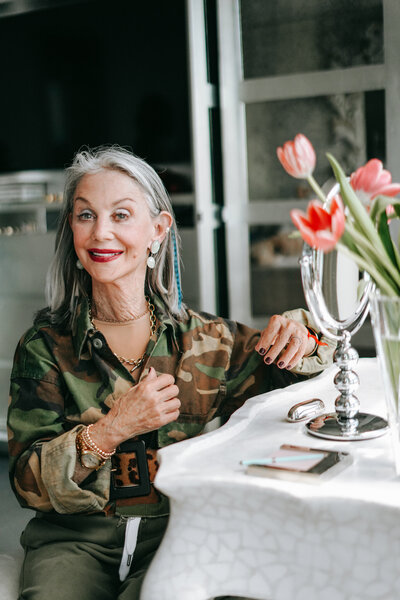
Women in their 60s, 70s, and beyond are redefining what older fashion looks like across the United States. You see them in advertising campaigns, on social media feeds, and on city streets wearing confident, modern looks that feel entirely their own. Women over 60 are increasingly visible in the fashion industry, with more style role models than ever before.
Here is what makes this moment so exciting: with decades of life behind you, you have a clear sense of what fits your body, your life, and your spirit, and many women find they care less about pleasing everyone else. The goal is not to “dress young” or chase every new trend – it is to dress in a way that feels current, intentional, and aligned with this powerful stage of life.
There is no age limit on looking fabulous.
Clarifying Your Personal Style After 60
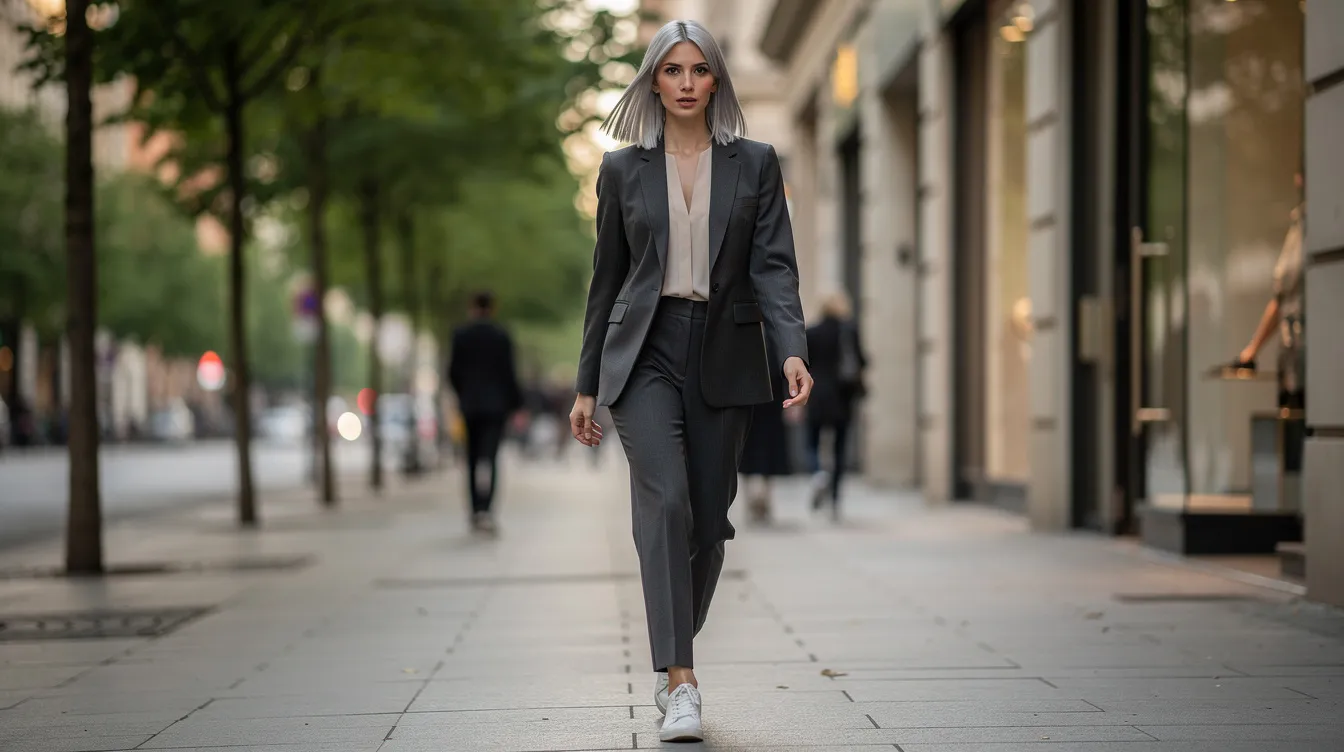
Before shopping for a single new piece, as many fashion experts recommend, take a moment to define what your style actually is. Many women over 60 gravitate toward classic styles, but “classic” looks different for every woman – and trends are fair game, too.
Try this simple reflection exercise:
- Name your style in 3–5 words. Think about what you want your clothing to say. Words like “artistic, polished, relaxed” or “tailored, bold, elegant” give you a filter for every future purchase.
- Study your most-worn pieces. Your favorite jeans, that cardigan you reach for every morning, the wrap dress that always gets compliments – notice the common threads in color, cut, and fabric.
- Build a small inspiration board. Collect images of stylish older women, street style photos, or snapshots of your own best outfits. This becomes your go-to guide when you shop.
- Allow your style to evolve. It is completely normal to move from corporate tailoring toward softer layers, or from safe neutrals toward pretty prints. Trusting your instincts is the most honest way to decide what belongs in your wardrobe.
Building an Older-Woman Capsule Wardrobe
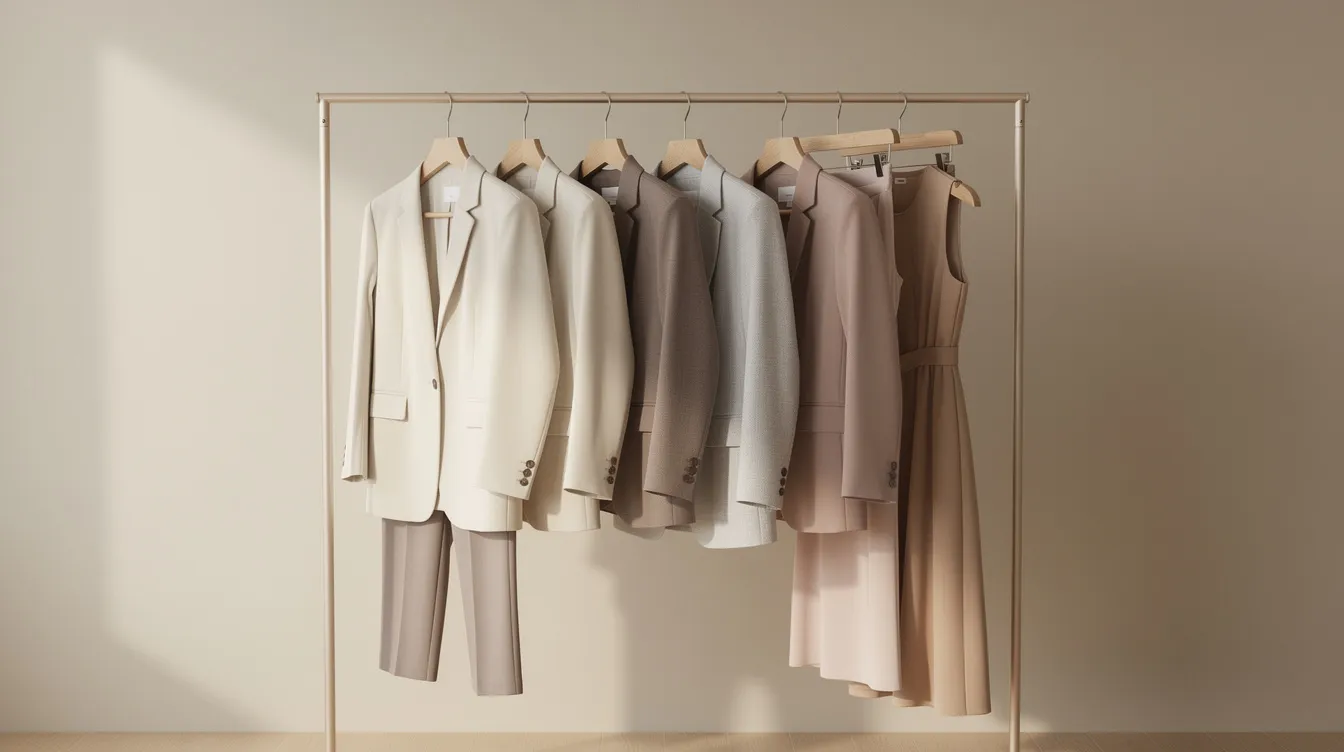
A capsule wardrobe is a small set of essential clothing items that coordinate with each other, giving you freedom and ease. It remains one of the smartest strategies for mature women who want versatile pieces without closet chaos. Quality materials and classic tailoring help pieces last – and a good capsule wardrobe creates numerous outfit combinations from surprisingly few items.
Here are the core categories to focus on:
| Category | Suggested Pieces | Why It Works |
|---|---|---|
| Trousers & Jeans | 2–3 pairs (straight-leg denim, pull-on knit trousers) | Mix with any top; good fit in stretch fabric moves with you |
| Dresses | 2–3 (including a wrap dress and a black dress) | A wrap dress is one of the most versatile pieces you can own |
| Tops & Knits | 3–4 polished tees, blouses, or lightweight sweaters | Mixing and matching basics creates versatile outfits |
| Jackets | 1–2 (lightweight blazer, denim jacket, or trench) | Layers that transition across seasons and occasions |
| Shoes | 3 pairs (loafers, sneakers, one dressy option) | Comfort plus style for everyday wear and special events |
Focus on a tight color palette that flatters your skin and hair – perhaps navy, ivory, camel, and one accent like coral or teal. This makes it effortless to match pieces for grandparent days, volunteering, travel, dinners out, and relaxed weekends.
Do regular closet edits: donate clothing that itches, pinches, or never leaves the hanger. Keep only what supports your current life and personal style, and invest in fashion staples that earn their place.
Modern Silhouettes and Fits That Flatter at 60+
Your body shape changes naturally over the decades, and many women find that standard ready-to-wear sizing doesn’t account for shifts in posture and proportions. Understanding what works for your body type makes all the difference.
Jeans and trousers: Mid- or high-rise jeans with a straight, slim-straight, or gentle wide leg feel modern and flattering. Ankle-length hems that show the ankle bone elongate the leg beautifully. Look for stretch in the fabric – it makes a world of difference for comfort during long days.
Skirts: Knee-length or mid-calf A-line skirts skim the hips gracefully; the A-line shape that rose to fame in the 1960s remains a go-to silhouette today. Updated denim skirts that hit just below the knee or at mid-calf feel fresh without being fussy. Fit-and-flare dresses are another flattering, feminine option.
Dresses: Wrap dresses are widely considered a universally flattering style for women over 60, while shirt dresses and soft column dresses also work beautifully because they skim the body instead of clinging or drowning it.
Tops and jackets: Choose shoulder seams that sit correctly, gentle shaping through the waist, and sleeves that allow comfortable movement. A blazer that fits properly transforms any outfit.
Tailoring matters. Small alterations at the waist, hem, or shoulder can make older fashion pieces look custom, so everything fits with intention and better suit your proportions and lifestyle rather than by accident.
The Power of the Wrap Dress and the Black Dress
A great wrap dress and a great black dress are true older fashion workhorses for everything from casual outings to weddings.
The wrap dress became an icon in the 1970s, and it has stayed a favorite ever since. It flatters women of many shapes because the V-neck opens the chest and the adjustable waist accommodates changing bodies with ease. Choose lengths from knee length to mid-calf in comfortable jersey or crepe.
Style it for day with low block-heel sandals and a structured tote. For evening, swap in metallic flats and statement earrings.
The black dress never stops working, and classic black and white outfits never go out of style. Your “hero” black dress should feature comfortable fabric, a bra-friendly top, a shape that allows easy movement, and a length that lets you feel comfortable sitting, standing, and walking.
Restyle one black dress multiple ways:
- With a denim jacket and sneakers for casual outfits
- With pearls and pumps for a concert or cocktail event
- With a bright scarf for holiday gatherings
If solid black near the face feels harsh to you, consider charcoal or deep navy, or soften the neckline with an ivory or blush-colored scarf.
Casual Outfits That Still Look Polished
Casual does not mean careless. Older fashion can be relaxed and comfortable while still feeling intentional – even when you are running errands or relying on a simple formula that becomes your wardrobe’s best friend.
Everyday uniform ideas:
- Straight jeans + striped tee + unbuttoned cotton shirt
- Soft pull-on trousers + lightweight knit + statement necklace
- Tunic-length top + thick, opaque high-waist leggings + loafers
Leggings work beautifully as a comfortable base layer when they are thick and opaque, paired with longer tops, sweater dresses, or longline cardigans.
Upgrade your loungewear too: swap stretched tees for breathable cotton tops, and worn sweats for knit joggers that hold their shape, an easy way to look more put together. Quality materials make a visible difference even in the most relaxed outfits.
Outer layers like modern cardigans, denim jackets, and quilted vests turn basic pieces into crisp casual outfits for travel days, cool mornings, and cooler months.
Fabulous Outfits: Dressing Up Without Feeling Overdone
Creating fabulous outfits for dinners, theater nights, and celebrations does not require tight cuts or sky-high heels. Here are a few outfit formulas that feel special yet comfortable:
- Silk-look blouse + wide-leg trousers + low heels
- Midi wrap dress + heeled ankle boots + a long pendant necklace
- Jumpsuit + sculptural earrings + a clutch for a polished, trendy look
- Column dress + elegant shawl + metallic sandals
Use texture and subtle shine to add occasion: satin, velvet, and lace trims elevate a look instantly. A satin camisole layered under a blazer nods to 1990s minimalism without going too far. For more ideas on incorporating texture, explore how to embrace velvet in your wardrobe.
Layer for changing temperatures with a dressy cardigan, a softly structured blazer, or an elegant shawl that can come on and off easily at events.
Remember, “fabulous” is personal. Some women prefer soft neutrals and pearls; others love bold patterns and chunky jewelry. Both belong in older fashion.
Color, Print, and Accessories That Keep Older Fashion Fresh
Color, print, and accessories are the quickest way to modernize your wardrobe without replacing everything in it.
Color: Try softer versions of old favorites – swap black for navy, orange for coral. Clear mid-tones like teal, periwinkle, and soft fuchsia often brighten the skin and eyes, especially with silver or white hair. Gentle neutrals such as ivory, camel, and dove gray create a beautiful foundation.
Print: Start with stripes, small florals, polka dots, or subtle animal prints. Mix one print with coordinating solids to keep the look sophisticated. Pretty prints add fun and energy without overwhelming an outfit.
Vintage, your way: Fashion is cyclical, and many silhouettes from past decades – 1970s wrap dresses, 1990s slip skirts – come back around. Mixing a cherished vintage piece with modern basics is a fresh, personal way to style an outfit.
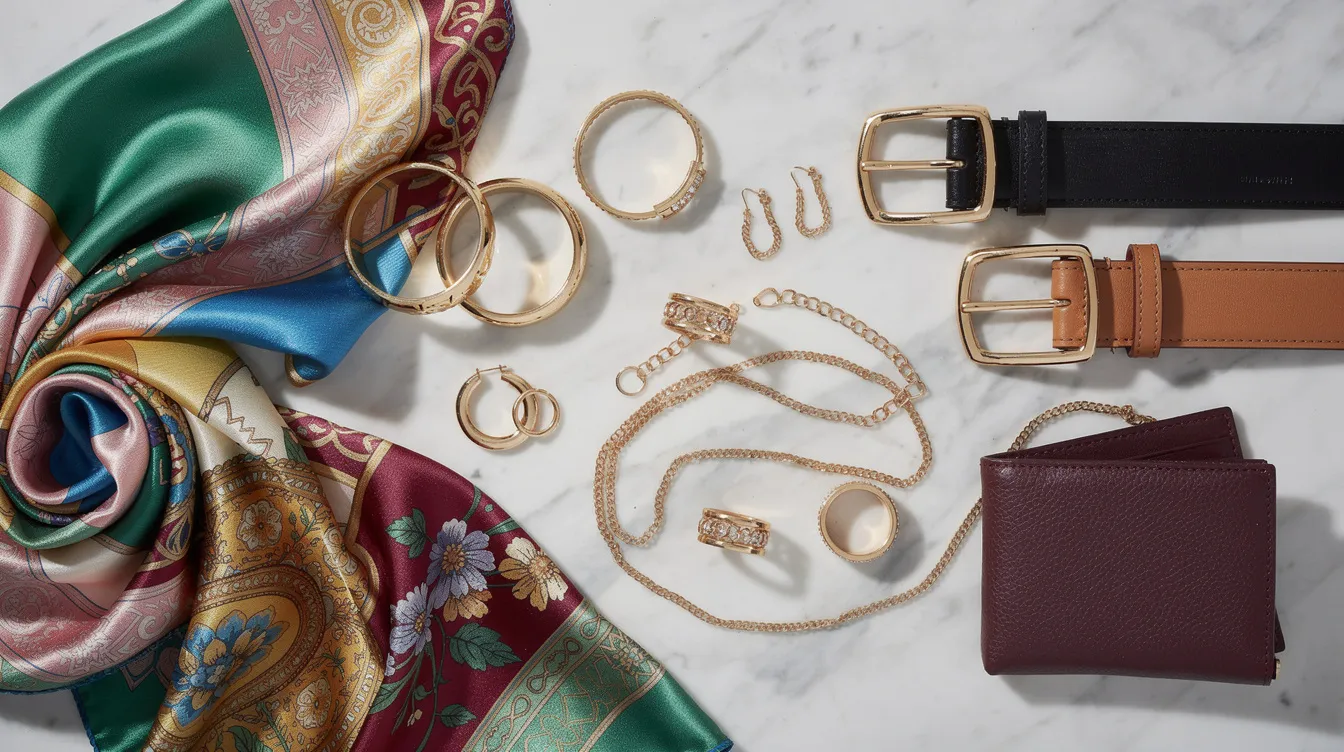
Accessories express personal style after 60 in powerful ways:
- Jewelry: Statement jewelry adds a contemporary edge to classic outfits. Choose one focal piece at a time – a bold bracelet, sculptural earrings, or a chunky necklace – so the outfit feels edited rather than overloaded. Discover more about shopping for statement accessories.
- Scarves: A patterned scarf can brighten a neutral jacket and complement your skin tone beautifully.
- Belts: Belts can define your silhouette and add color over a cardigan or dress without feeling restrictive.
- Hats: Hats can be both a fashion statement and sun protection.
- Handbags: Keep one everyday crossbody, one structured tote, and one small evening bag that all work within your capsule color palette.
Shoes, Hair, Glasses, and Makeup: Finishing Touches for a Modern Look
Updating these finishing touches can lift even simple outfits into fabulous outfits without changing a single garment.
Shoes: Low block heels, chic loafers, sleek sneakers, and supportive sandals with secure straps all look current. Cushioning and stability mean you can enjoy long days out without pain. For more ideas, explore essential shoes every woman should own.
Hair: Talk with a trusted stylist about shapes that work with your natural texture and silver or blended color. Soft bobs, shoulder-length layers, or cropped cuts all look beautiful. The key is a shape that flatters your face and feels easy to maintain.
Glasses: Modern frames – lighter metals, subtle cat-eyes, or bold tortoiseshell – instantly update your look. You wear your frames every day, so treat them as a style accessory.
Makeup: A fresh, softer approach works beautifully: light bases, creamy textures, defined brows, and a flattering lip color. Lighter foundation layers tend to sit more comfortably on mature skin.
A gentle reminder: see a dermatologist for ongoing skin concerns, and patch-test new beauty products on sensitive skin.
Shopping and Editing Tips for Older Women
Shopping smarter means curating rather than constantly buying.
- Try multiple sizes and cuts. Sit down, move around, and mime getting in and out of a car in the fitting room. A good fit means the clothing works in real life, not just standing still in front of a mirror.
- Bring a reference item. Your favorite shoes or jacket help you see how new pieces will pair with what you already own and suit the clothes already in your closet.
- Use the “three and one” rule. New items should work in at least three casual outfits and one slightly dressier outfit using pieces already in your wardrobe.
- Shop when rested. Wear comfortable clothes and take mirror photos of potential purchases to evaluate honestly whether they match your personal style words.
- Let your wardrobe build your confidence. Every piece should make you feel comfortable and alive, not like you are performing for someone else.
New styles deserve a test drive before committing. The fashion industry is finally paying more attention to older shoppers and their spending power, so you have more options than ever – enjoy what feels fresh, but do not buy something simply because it is trendy.
FAQ: Older Fashion and Style After 60
How can I look modern without dressing like my granddaughter?
Focus on updated fits – straight-leg jeans, ankle pants, modern blazers – and fresh accessories like contemporary glasses, a current shoe shape, or a new bag. Use trends as “seasoning” rather than the main course. Keep the core of your outfit aligned with your personal style, and add one or two current touches.
What are a few must-have pieces for an older-woman capsule wardrobe?
Start with straight or slim-straight jeans, soft pull-on trousers, a wrap dress, a black dress, a versatile cardigan, a crisp shirt, comfortable loafers or sneakers, and a lightweight jacket or trench. Adapt to your climate and life with comfortable fabrics – cotton, linen blends, merino, and breathable stretch fibers all work well for everyday wear.
Are leggings still appropriate in my late 60s and 70s?
Absolutely. Leggings look classy and chic when they are thick, opaque, and paired with longer tops such as tunics, sweater dresses, or long cardigans. Wear them with loafers, ankle boots, or sleek sneakers and add a scarf or necklace so the outfit looks intentional. The key is proportion and fabric weight.
How do I choose colors that flatter my silver or white hair?
Many women with silver hair look wonderful in clear mid-tones – navy, periwinkle, teal, soft fuchsia – and gentle neutrals like ivory, dove gray, and camel. Hold garments up to your face in natural light and notice which shades make your skin look brighter and your eyes stand out. A color consultation can be a fun experience if you want expert guidance.
Where should I start if my closet feels overwhelming?
Remove everything and first pull only the pieces you truly love and currently wear. Build a small, functional rail of outfits for the next few weeks. Donate or sell uncomfortable or unloved clothes. Then slowly fill any gaps with pieces that fit your newly clarified personal style. Think of it as an ongoing, enjoyable project – not a one-day overhaul.
Closing Invitation
Older fashion is a joyful, ongoing conversation with yourself – not a set of rigid rules. Experiment gently, trust your eye, and dress for the life you are living now, full of experience, relationships, and new chapters.
We invite you to explore more style stories on Honey Good, subscribe to our newsletter for community and inspiration, and browse the Honey Good boutique for curated pieces that support your personal style at 60 and beyond. You deserve to feel fabulous every single day.
+ show Comments
- Hide Comments
add a comment