



It is up to you to pass traditions from generation to generation.
How to pass down traditions from generation to generation is up to us, darling. We are the glue that holds the family together, and we also hold all the combinations to our family’s past. We are the storytellers and teachers who can present vivid stories of our past and teach our grandchildren the importance of family traditions. Passing down traditions not only preserves the family’s culture but also strengthens our family identity, helping each generation feel connected to their roots. That’s why we are named the GRANDmothers of our families.
Many of our grandchildren have no idea of what a multigenerational family lifestyle looks or feels like. But, they are aware they are missing out on consistent bonding with their grandparents, aunties, and uncles, and cousins, and the large family gatherings around the holidays and birthday celebrations and family discussions. They hear their parents discussing their personal unhappiness when they are unable to attend a family event because of the miles that separate today’s family.
The nucleus of the present family is often made up of the parents and their children due to the new lifestyle I call, the ‘great move’ because of better jobs, better weather, or for a new adventure. Societal norms and changing expectations have also influenced these shifts, impacting how traditions are passed down and how families maintain their unique customs.
Young Families Crave Family
I’m aware that our adult children and grandchildren crave family togetherness because my family suggests ideas for get-togethers months in advance. Obviously, this is because they look forward to spending time with family members.
For a time, my husband Shelly, pooch America, and I were constantly traveling to visit family. During these times together we shared stories and gave our grandchildren the gift of a wonderful family experience to store in their heads. This is a teaching mechanism without teaching! It is showing them by example. These gatherings create special memories that are cherished by all family members. Shelly and I never say no to an invitation unless there is an extenuating circumstance and never over an existing social event. My daughter-in-law and I are always at the helm of the event. This shows our grandchildren the importance of the family that plays together stays together.
Tradition, Tradition!
The word tradition reminds me of the play, Fiddler on the Roof. The Fiddler can easily fall off a rooftop while playing his fiddle. So can the traditions of a family’s culture, religion, and family lifestyle. The cultural significance of maintaining these practices lies in how they reflect and preserve our cultural identity for future generations. Therefore, in order to be a woman with purpose, we must keep family traditions alive. Tradition, tradition, and more tradition is a gift to leave in our grandchildren’s heads so they will crave this as adults.
It’s important to focus on preserving the most meaningful rituals and practices that strengthen family bonds and cultural identity. When thinking about what to pass down, consider not only family recipes and holiday customs, but also the importance of sharing cultural traditions that help preserve heritage and foster a sense of belonging.
Traditions are Maintained Through Storytelling
My mother saved the first letter my father wrote inviting her on a first date. She was 18 years old. The letter will survive because I will have it laminated and eventually hand it down to one of my grandchildren. My mother also saved and carefully put away every card my brother and I sent to her and every note we wrote to her.
She had a fairy to guard and protect her that I gave her twenty-five years ago. She hung it in a special place and now it has come back to guard me, hanging in a treasured place in my home. (Read my story about how it brought me hope, here.) Family photographs of my great-grandparents and the rest of our family are also displayed perfectly like fine stones placed in a setting of jewelry. These photographs and heirlooms evoke fond memories of childhood and remind us of our favorite traditions, helping us keep those special moments alive.
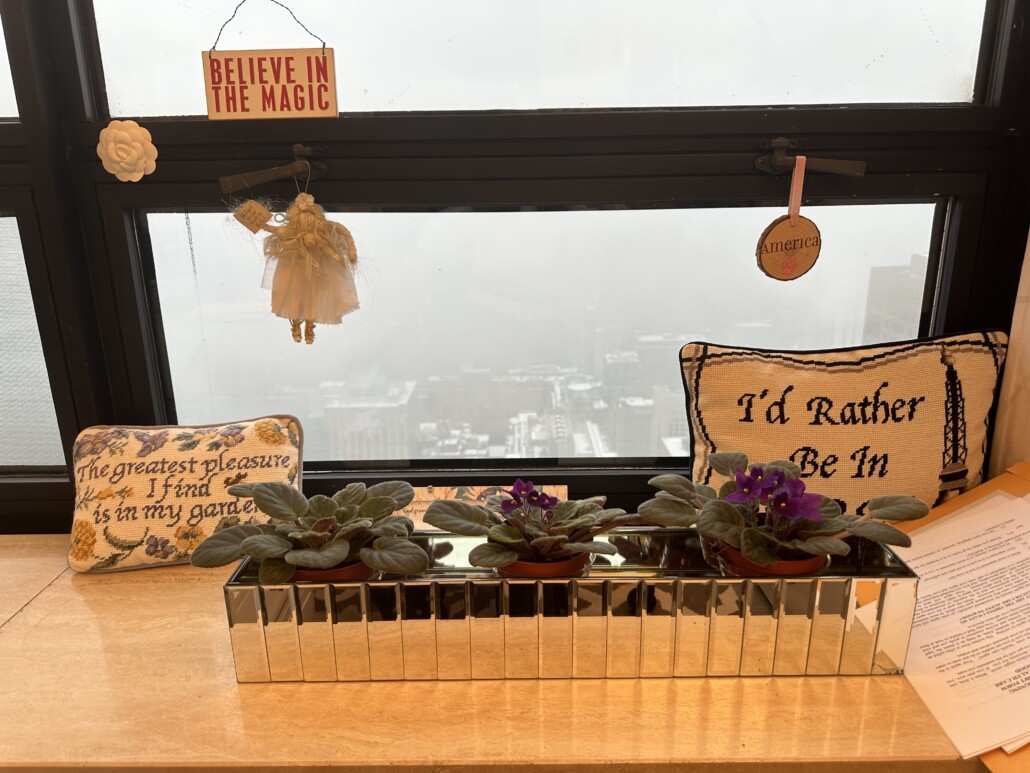
My mother’s fairy now hangs in my office window, where I look at it daily.
My mother and father and grandparents had holiday celebrations and all my relatives spent happy times with one another. This was not lost on me as a child and I am sure your childhoods are not lost on you. These traditions we observe are forever ingrained in us.
It is now up to us to pass the torch of tradition to our young families. How many of us wish we’d written down stories from our parents or grandparents? This is why I wrote my book, Stories for My Grandchild, so that all women have a way to share their stories. It’s a journal with prompts that you can sit down with your grandchild and share your stories (in a way that won’t simply fly out of their heads, as some things do). Be sure to record your favorite traditions as well, so future generations can cherish and continue them. It is a legacy to cherish and pass on.
Preserving Cultural Heritage
Preserving cultural heritage is one of the most meaningful ways we can nurture our family traditions and ensure they flourish for future generations. When we take the time to share our cultural values, family stories, and cherished practices, we help our children and grandchildren develop a strong sense of identity and a deep connection to their roots. Whether it’s gathering in the kitchen to cook ancestral recipes, celebrating holidays that have been observed for generations, or simply reminiscing about family stories around the dinner table, these moments strengthen family bonds and create lasting memories.
Exploring our cultural heritage together allows us to pass on not just recipes and rituals, but the values and sense of belonging that define our family. Each tradition, from a special holiday meal to a bedtime story told in the old way, becomes a thread in the fabric of our family’s identity. By sharing these experiences, we give our grandchildren the gift of knowing where they come from, and the confidence to carry these traditions forward. In doing so, we create a living legacy—one that honors our roots and celebrates the unique culture of our family.
Passing Down Family Recipes
There is something magical about cooking ancestral recipes with loved ones. Family recipes are more than just instructions for a meal—they are a delicious link to our cultural heritage and a celebration of our family’s unique traditions. When we gather in the kitchen to prepare a dish that has been passed down from one generation to the next, we are not only savoring flavors, but also reliving stories and memories that have shaped our family.
Sharing family recipes with children and grandchildren is a beautiful way to connect them to their roots and instill a sense of identity. Each recipe carries with it the values, stories, and love of those who came before us. Perhaps it’s a special cake baked every Christmas Eve, or a savory dish reserved for holiday celebrations—these meals become treasured rituals that bring everyone together. As we cook, we can share stories of how these recipes were created, who first made them, and the memories attached to each bite. In this way, we ensure that our family’s culinary traditions, and the love they represent, continue to nourish future generations.
The Role of Heritage Language
Language is a powerful vessel for family traditions and cultural heritage. Speaking a heritage language within the family is a beautiful way to keep our roots alive and strengthen the bonds between family members, especially across generations and with extended family. When we teach our children and grandchildren the language of their ancestors, we are giving them a precious gift—a deeper understanding of their identity and a bridge to connect with relatives and friends who share the same cultural background.
Heritage language is more than just words; it carries the stories, values, and customs that define our family’s culture. Through everyday conversations, bedtime stories, and even family jokes, we pass on not only vocabulary but also the spirit of our traditions. This shared language helps children feel a sense of belonging and pride in their heritage, and it keeps the connection to our roots strong, even as the world around us changes. By nurturing our heritage language, we ensure that the heart of our family’s culture continues to beat for generations to come.
I Am My Mother’s Daughter
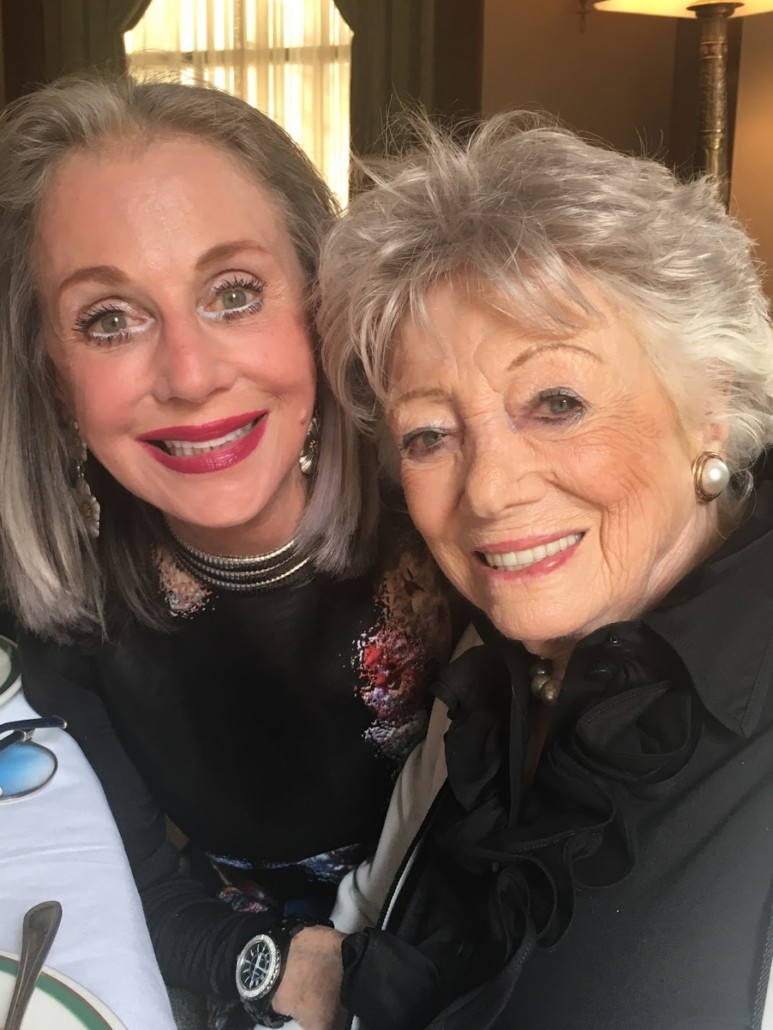
I am grateful that I had a wonderful mother to share her “mom wisdom.”
I carry all of my family’s stories and traditions in my head. She taught me well as did my grandmothers and grandfathers and other relatives. Their way of life, their thoughts, their ideas, their culture, their delicious cultural recipes, their work ethic, their charitable hearts, their warmth, and their vitality are who I am. And, your traditions are similar in style to your family’s, but each of us has our own family traditions that make our story unique.
“We are the glue that holds the family together and we also hold all the combinations to our family’s past. We are the storytellers and teachers who can present vivid stories of our past and teach our grandchildren the importance of family traditions.” — Honey Good
Family traditions should be integrated into our grandchildren’s life with personal family stories from grandma. You have the delicious opportunity to introduce your grandchildren to each relative. Tell them the story of why and how their great-grandparents immigrated to America. Explain what they experienced in order to adapt to a new life. Tell their love stories. Tell your story! Sharing your own family traditions helps your grandchildren understand the values and unique culture of your own family.
I display family possessions in our home. I am certain you do also. But, have you taken your grandchildren by the hand and said, “Your great-grandmother gave this to me. I treasure it because I loved her so much. Let me tell you a story about her.” These possessions are more than objects—they represent the unique story of your own family and the traditions you are passing down.

If you wish to gift the legacy of your truth and your stories to your kids and grands, buy my book.
The Art of Sentimental Gift-Giving
I also send only sentimental gifts and notes of love.
Now my grandchildren, including all the boys, send me sentimental gifts. This is another tradition in our family. Gifts should be from the heart expressing love. Because of this, they sent me a small heart, a turtle to add to my collection, a magic wand (I am big on magic wands), a saying (I am big on sayings).
One grandson sent me a yellow flower pot with a lavender flower to plant because he knows I am a nature lover. Gifts from the heart are a tradition in our family. These exchanges can also become new family traditions, inspiring each generation to create meaningful routines that reflect our unique bond.
As families grow and change, it’s important to embrace new traditions and keep moving forward, finding ways to adapt while preserving the connections and memories that matter most.
Documenting Family Traditions
One of the most powerful ways to preserve our family traditions and cultural heritage is by documenting them. Recording family recipes, writing down cherished stories, and capturing our unique cultural practices create a lasting legacy that future generations can treasure. Whether you choose to write a family history book, create a video documentary, or start a family blog, these efforts help strengthen family bonds and keep our stories alive.
Documenting family traditions is a gift to our children and grandchildren, offering them a window into their family history and a deeper connection to their roots. It allows us to share the wisdom, values, and memories that have shaped our family, ensuring that these treasures are never lost. By taking the time to record our traditions—be it through handwritten recipes, photo albums, or digital storytelling—we create a sense of continuity and belonging that will inspire and guide future generations. Let us celebrate our family’s culture by preserving it for those who come after us, so that our stories, recipes, and rituals continue to bring joy and meaning to our loved ones’ lives.
A Family’s Moral Code
The moral code of a family is passed down from generation to generation. Talk about your grandchildren’s great-grandfather and his hard work ethic and your great-grandmother inviting people in for dinner who were in need of help. Talk about their first relative to graduate from college and an uncle who had the courage to move to a foreign country to strike out on his own, and on, and on. Encourage your family to explore your family history and values together, discovering stories and traditions that deepen your connection to your roots.
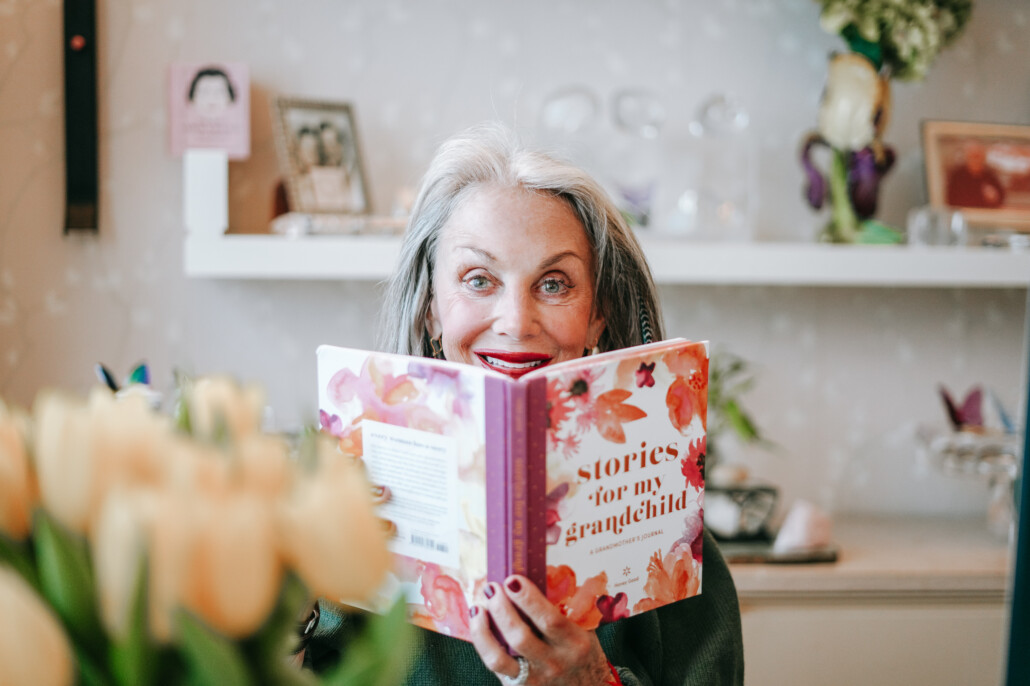
Buy my book here and fill it out with your grandchild!
The Voice of Tradition
Grandmothers and women are the voice of tradition. Scream out with your stories. Send texts, emails, go on Facebook, call them on Facetime, the phone, or use Zoom. Whatever it takes! Don’t allow the family links to snap.
Darling, keeping traditions alive is much tougher today. We are all “Fiddlers on the Roof” who can easily fall off the roof just as our traditions can fall out of vogue if we allow it. So, we won’t.
Whether it’s gathering together to decorate the christmas tree each year or sharing family recipes, these cherished rituals help keep our connections strong.
We will try a little harder, and travel a little further, and love a little harder, because we are the guardians of the gate. We are in charge of keeping traditions alive in our family. Amen.
What are some of your favorite family traditions? Have you passed them on to your children and grandchildren? Please tell me in the comments at the bottom of this page. I would love to hear them!

DID YOU ENJOY THIS STORY? PLEASE SUBSCRIBE AND YOU’LL NEVER MISS A NEW STORY!
Come find your supportive community of like-minded women! Join these private Facebook groups:
 Women over 50: Celebrate Visibility
 Sisters in Widowhood: Life Transition
 Estranged Mothers and Grandmothers: Millions Strong
You have very nice products. I spent time on your sight because I notice the word tradition. As a mother and grandmother who asked as a child, ” Tell me how you met dad and where did grandmas family come from, I know the importance of tradition. A few years ago Abrams Press in New York asked me to be their author of a book they wanted to take to press. They found me on the Internet and after reading my stories and seeing me, they said, “You are a hip 21st Century grandmother and we would like you to write a book on family and tradition. It is on my site and on Amazon. The title is SStories for my Grandchild. Have a lovely week-end. Honey Good.
Our traditions are passed down from our forefathers. Every family and tribute has its own culture and traditions that they follow up and pass on to the next generation.
https://tpcs.ca/pest-control-vancouver-bc/
I agree with you. Warmly, Honey
Our traditions are passed down from our forefathers. Every family and tribute has its own culture and traditions that they follow up and pass on to the next generation.
https://tpcs.ca/pest-control-vancouver-bc/
I agree with you. Warmly, Honey