


I’ve been happily married to my retired husband, my Ultimate Concierge, for many years. Today I’m going to share some secrets to our happiness. This article will also offer practical advice for dealing with a retired husband, helping you navigate this important life transition.

I am Sadie Sadie married lady. I am married to Sheldon Good, who I gave the title Ultimate Concierge because he is the ultimate husband. When we met, I was in my 40s. He was in his late 50s.
His main functions in life included doting on his work and me. My main function in life was doting on him. We shared a utopian lifestyle. Each morning, I wished him well with a kiss and similarly welcomed him home with a kiss in the early evenings. The evenings were our time and we were thrilled to spend hours talking about his busy day and sharing our thoughts.
And then my lifestyle, like many of yours, went through a natural passage of change called retirement. My Ultimate Concierge was semi-retired. Many couples experience similar transitions and face unique challenges as they adjust to new routines together.
You know the common saying, darlings, that pertains to retired husbands. For better or for worse, but not for lunch.
As women, we’re caught in the middle of a dilemma. We are darned if we do and darned if we don’t. In other words, how do we draw the line between wifely responsibility and our activities? This adjustment can be a real challenge for many of us with retired or semi-retired husbands.
A heads up for women who will eventually face this situation: the truth of the matter is, most men need their wives after retirement 24/7.
Maintaining a Positive Relationship with Your Retired Husband: Our Conversations Before & After Retirement
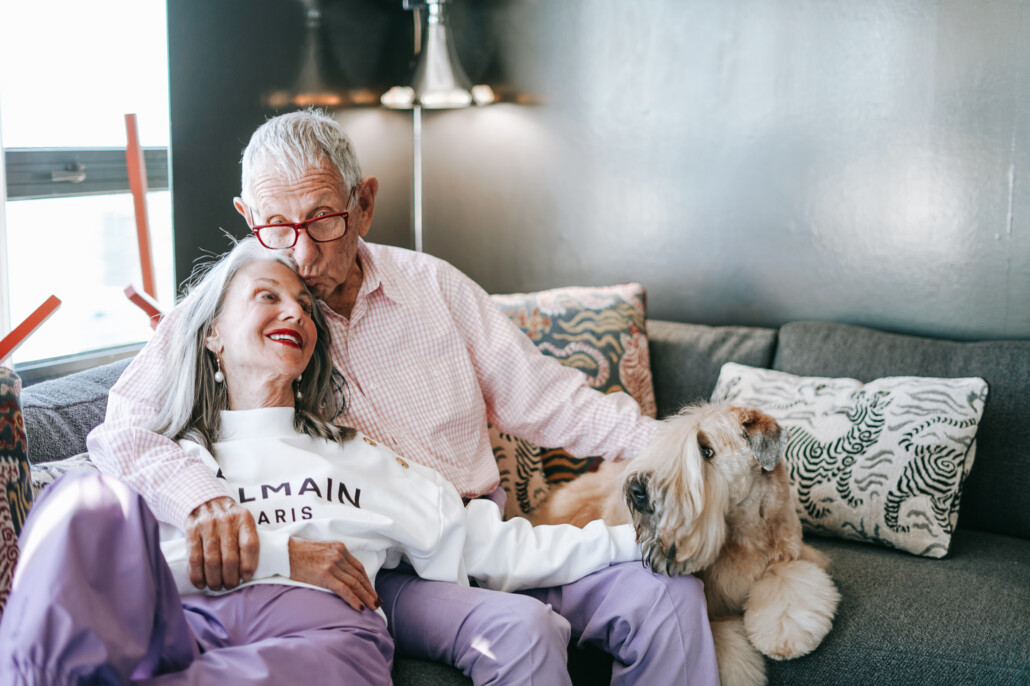
These days, our conversation follows a similar pattern every day. My semi-retired husband asks, “Where have you been all day? Who did you talk to today? What did you write today? Where are we going tonight?” The transition to retirement can take a few years for couples to fully adjust to new routines and expectations, and it takes time to settle into this new phase of life.
Previously, when he was working 60 hours a week and traveling for business, our conversation went like this. I would ask him, “How were things at the office today? How did your important meeting go today? Who did you talk to today? What business or charitable dinner commitments should I put on the calendar for the month?” Some couples may feel forced to adapt to changes they didn’t anticipate when retirement arrives.
After retirement, daily conversations change, and not everything you expect to happen in retirement actually does—surprises are common and require open communication.
My husband, Sheldon Good, is no shrinking violet! He is still very much involved and interested in everything he touches. But not 60 hours a week! After many years of a certain routine, the shift can be significant for both partners. What’s a spouse to do? What do you do?
Long-term marriages often face new challenges in retirement, and maintaining a positive relationship requires ongoing effort. Both partners’ lives are affected by retirement, not just the one who retires. Every spouse faces this transition differently.
The Difference Between A Retired Husband & the Woman in His Life
When our husbands or significant others were career driven, their minds were filled with how they would provide and save for their families. Their job often shaped their identity and sense of purpose, and the wheels in their head were always turning.
When they slowed down, their minds relaxed and they suddenly found themselves with too much additional time on their hands. What do most of them want and need? Us, darlings, us! Many men want to spend time with their partner, and spending time together becomes essential for maintaining strong relationships. When one partner retires before the other, it can create new dynamics that spouses need to navigate. Spouses may need to renegotiate responsibility for daily tasks, such as who will run errands or manage household chores, to ensure harmony and understanding.
Most women are so busy, they are dizzy! Age has no bearing on slowing them down. They are busy all day with family, friends, charities, home, career, hobbies — the list never ends because, darlings, women are multitaskers! Each person has their own routines and preferences that shape their daily life. Balancing personal interests and spending time with a retired spouse is an important part of maintaining healthy relationships. It’s also important to recognize and respect separate interests, so both partners feel fulfilled and valued in their own pursuits.
The Conversation

One day, I decided to pose two questions to my semi-retired husband over our morning cups of coffee:
- What are your three top priorities?
- Are you happy that you are semi-retired?
Without hesitating for a moment, he looked up at me and said, “My three top priorities are you, you, and you! Yes, I am happy I slowed down. I worked hard all of my life so I wouldn’t have to work all my life.”
Deeply touched by his response to my first question, I was disappointed with his answer to my second question, darlings. I wanted him to say that he missed the business world. Couples can benefit from sharing ideas for staying connected and engaged after retirement, such as planning new activities together or finding shared interests.
Ultimately, I’ve concluded with certainty that women continue to use their voice and stay active after they become empty nesters or retire from the workforce. It’s important to take time to understand each other’s experiences and perspectives during this transition, as it can strengthen your relationship. Being on the same lines about retirement plans and expectations helps couples navigate this new phase together and work towards common goals. Having a plan for how to spend your time and maintain purpose in retirement can also make this stage more fulfilling. I am sorry to say when our husbands or significant others retire, a large part of their lives retires along with them because their life was oftentimes their work, and both partners’ lives are transformed by this change.
Living Arrangements: Creating Our New Space Together
Retirement offers married couples a unique opportunity to reimagine their living arrangements and make conscious choices about how they want to live in retirement, creating a space that truly reflects their new chapter in life. Whether you decide to stay in the same house, downsize to something more manageable, or relocate to a vibrant new community, this transition is about more than just bricks and mortar—it’s about building a home that supports both emotional connection and personal growth.
As you and your partner discuss your plans, open communication is absolutely critical. Take the time to sit down together and talk honestly about your needs, interests, and any concerns you may have. Active listening ensures that both partners feel heard and understood, helping you get on the same page as you make important decisions. If you find it challenging to navigate these conversations, a couples therapist can offer valuable guidance and help you work through any differences with empathy and understanding.
Household responsibilities may shift as you both spend more time at home. It’s important to discuss how you’ll share these tasks, taking into account any physical limitations or changes in energy levels. If simple methods like chore charts don’t work, consider other solutions for dividing household chores that fit your unique situation. Finding common ground on how to manage your home can prevent misunderstandings and foster a sense of teamwork. At the same time, remember to respect each other’s need for independence—carve out space for your own interests and hobbies, and encourage your partner to do the same. Having your own room or own space for privacy and relaxation can be especially beneficial for maintaining personal well-being.
As you spend more time at home together, it’s also important to ensure that both you and your retired partner have enough time and free time for personal pursuits, hobbies, or relaxation. Balancing shared responsibilities with individual interests helps maintain harmony and satisfaction in your daily routine.
Financial planning is another essential part of this process. Review your budget, consider your income streams, and make adjustments to your spending habits as needed. Be sure to evaluate whether you can afford your current living situation, both in terms of finances and physical ability, and factor in the costs involved in moving or staying. Thoughtful financial planning can help you feel secure and allow you to focus on enjoying life together, rather than worrying about money. This is also a great time to explore new hobbies, join community groups, or volunteer—activities that can help you stay active, engaged, and connected to the world around you.
It’s worth noting that the overall divorce rate among older adults has risen in recent years, often due to the stress and changes that come with retirement. However, with careful planning, open communication, and a commitment to understanding each other’s needs, most couples can navigate this transition successfully. By creating a living arrangement that honors both your shared life and your individual interests, you can build new memories, strengthen your relationship, and truly enjoy this new chapter together.
Retirement is not just an end—it’s a beginning. Embrace the chance to create a home and a life that reflect who you are as a couple and as individuals. With patience, planning, and a focus on emotional connection, you can make this time one of the most rewarding and fulfilling periods of your marriage.
What Is A Wife Or Significant Other To Do?

I am reminded of a conversation I had with my Ultimate Concierge just last week. The phone rang in our apartment. It was Shelly.
“What are you doing right now?” he asked.
It was around four o’clock.
“I just finished brushing America and was going to sit down and reread the blog I wrote early this morning. Why? Where are you?” I questioned.
“I am in the park. Just finished my book by Daniel Silva. I would love to tell you about it. Why don’t you come down for a while so we can talk?”
Goodness, I think to myself, I don’t feel like dropping what I am doing. But instead, I say in a loving voice, “Of course, I will come down. See you in a few.”
Why did I say this? Because, darlings, I adore and respect my husband. If I had said no, we both would have been sad.
I close my laptop, secure America’s leash, and the two of us take the elevator down 71 stories and walk across the street to the park. As soon as I see my semi-retired husband, my heart melts. I sit down happily next to my smiling husband on the park bench. We hold hands, a simple gesture that helps us maintain emotional closeness. The time we spent together in the park felt meaningful and reminded me how important it is to cherish these moments. Trying new activities or other activities together, even something as simple as a walk, keeps our relationship engaging. Sometimes, one spouse needs to take the lead in planning these outings or starting important conversations, whether about our day or even our finances, which are a regular part of our daily life and retirement routines. You might also consider putting your husband in charge of a specific project or task, like organizing a family event or putting up shelves, to encourage his participation and sense of purpose.
When planning new activities, remember that some retirees enjoy taking on a part time job to stay active and fulfilled. Fulfilling activities could include restoring a classic car together or working through a bucket list of travel destinations and experiences you’ve both dreamed about. While spending time together, try to balance passive activities like watching tv with more engaging ones that foster connection and shared memories.
Finding Time for Yourself After Your Husband’s Retirement
When your husband retires, life at home can feel like it’s been turned upside down. Suddenly, the house that once bustled with separate routines is now shared around the clock. This new phase of retirement brings many joys, but it can also present unexpected challenges—especially when it comes to finding alone time and maintaining your own interests.
It’s perfectly normal to feel a bit overwhelmed when your retired spouse is always nearby. Many women experience what’s sometimes called “retired husband syndrome,” where the constant presence of a partner can make it difficult to enjoy the personal space and freedom you once had. Remember, darlings, it’s not selfish to crave time for yourself—it’s essential for your well-being and for the health of your relationship.
Start by having an open conversation with your partner about your need for personal time. Explain that nurturing your own interests and passions helps you feel fulfilled and energized, which in turn benefits your marriage. Encourage your husband to do the same—perhaps he’ll rediscover an old hobby or start planning new activities that excite him.
Carve out a dedicated space in your home that’s just for you, whether it’s a cozy reading nook, a craft corner, or even a spot in the garden. Let your spouse know that this is your sanctuary for recharging and enjoying your favorite pastimes. Setting gentle boundaries around your alone time can help both of you adjust to this new routine with respect and understanding.
Don’t be afraid to schedule regular outings with friends, join a club, or take up a new class—these outside interests will keep your life vibrant and give you stories to share with your partner at the end of the day. Remember, retirement is a new chapter for both of you, and it’s important to continue growing as individuals as well as a couple.
By honoring your need for personal space and encouraging your husband to do the same, you’ll find that this new phase of life can be deeply rewarding. Embrace the opportunity to rediscover yourself, nurture your interests, and create a balanced, joyful retirement together.
Gratitude Today and Every Day
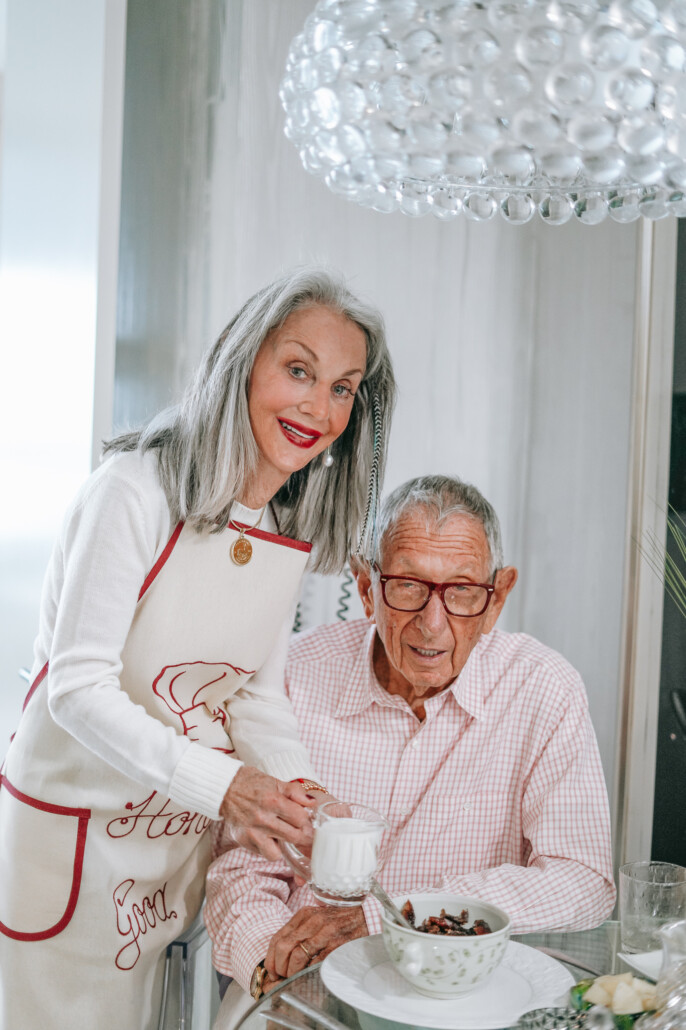
Contentment can mean loving and being loved, but it can also be loving yourself!
Remembering my feelings that day as I sat in the park with my “lonesome” husband and fun-loving pup America, I felt so grateful. My husband loves me. He is interested in me. He wants to be with me.
Looking back, the decisions we made years ago—like how we approached leaving the workforce and planning our future—have truly shaped our relationship and the way we experience retirement together. Having a plan for this stage of life can help couples feel more secure and content. Discussing finances together is key to a stable and happy retirement, as it ensures both partners are on the same page about their future. Retirement can impact marriages, and nurturing relationships is essential to maintain emotional connection and stability. It’s also important to make time to spend time together, even in small daily routines, to strengthen your bond.
I sat there smiling to myself as I thought about how fortunate I am that he asks me everyday, “Where have you been all day? What did you do today? What did you write about today?”
Tomorrow, I will make my spouse lunch because for better or for worse, it is my pleasure to make him lunch. Every spouse can show care in their own way, and these small acts help keep relationships strong.
And, what should you do?
Prioritize, darlings, prioritize! Your most important priority, above all else, is your husband or your significant other. Whether he is a retired husband or otherwise, take care of your spouse, darlings!
How do you have a great relationship with your retired husband? How has your relationship changed?
I’d love to hear from you! Join the conversation in the comments below.

If you enjoyed this story, please subscribe. I’ll send you my new stories and update you when something exciting is going on.
More to Read on Honey Good
HOW TO CREATE PEACE OF MIND AFTER 50 WHEN THE GOING IS ROUGH
Hi Susan, I am busy also so I don’t comment often, but I really enjoyed this article and would have done the same thing.
I just asked my husband what his top 3?priorities were and he said me, then family, then health! You have made an amazing career for yourself! Congratulations to you ‼️👏🏼
Thank you for this terrific article! I’ve had to change the way I interact with my retired husband as well. I’m sure you’ve given many wives food for thought.
Totally agree with you on this one! I retired one year after my husband and now we spend almost all of our time together. We garden, shop, travel, go to the gym and dine out frequently. All too often we are going to doctor appointments but keeping healthy is top priority. We’ve been married 48 years, together for 50. There is nothing more important in my life. Gratitude? Yes, very much so as my sister in law struggles with her husband’s diagnosis of stage 4 pancreatic cancer. We realize how lucky we are each day and know that it could all change overnight. Our new motto is Do it now! We never know what tomorrow might bring.
Beautiful post just like you are! My husband recently retired and it hasn’t hit him yet, meaning his new life reality. He has been so super busy relocating and getting our new life set up that his days are stil very full. We wil see what happens in the months ahead but your words certainly gave me food for thought. xo .
Dear Honey,
Like Shelly, my husband is somewhat retired although he is still very much involved with his own business venture. We’ve been married 54 years and continue to enjoy each other’s company. I have many social activities, children, grands and greats that keep me busy – much busier than my husband. There are so many times when he wants me to listen to a story, keep him company on an errand or simply sit with him in conversation. Unfortunately, most of the time, I’m reluctant to drop what I’m doing to join him. Your story today made me realize that I need to reset my priorities! I have an absolutely wonderful husband who treats me like a princess and who I love deeply. From now on, I have promised myself to make him my top priority. Thank you for reminding me of the importance of my husband who, after all these years, still wants to be with me more than anywhere else.
Thank you for this story, today. I knew this information, BUT, for some reason, I needed to hear this. I needed to be reminded, again. Why ? Probably because I thought I was too busy, probably because my priorities were out of line, and probably I just needed a reminder. Thank you. Your messages come along….just when I need to hear them. Patricia
I have enjoyed reading your article. Glad to say I can much relate to it .
That’s sweet! Often, it’s difficult to put away my project to attend to my SO’s request, so I know what you mean. Do I do it? Mostly! He always prioritizes me, so I try to do the same for him. It has to be a two way street. But, there are times that I just ask if we can chat in a bit, and he is very understanding. Thanks for the article!
Hi there thanks for the sound advice.
My pleasure, always! Warmly, Honey
I want your husband!
I don’t blame you!!!!! I am smiling. Loved your message. Warmly, Honey
I really look forward to your daily thoughts on life and living. The husband’s retirement hit very close to home. Like you, I love and adore my hubby. He is my number one. I am the love of his life. He was in an accident and ” priase the powers to be “, he lived, However, he is in constant pain and is unable to do few of the activities he used to enjoy. The commitment to daily gratitude lists has helped me immensely. The glass always is half full; that is my sustenance. You are a constant source of support and inspiration. We live in a remote rural area. We moved here from a large Metropolitan area. So, most of my access to friends and new ideas does not come from in-person contact. Thanks for your hard work.
Namaste,
Chris
Your life has changed. You are in a new passage and I can tell you are facing emotional difficulties. Can you do so something for yourself? Are you afraid to venture out to join a group that you would enjoy. Do you have friends, couples, to invite to dinner or brunch? Or are you content to see your glass half full as it is. I am trying to make you think ‘outside the box.’ Warmly, Honey
My husband has been retired 10 years, me for 8 months! He is 7 years older than I, but I am much younger, physically and socially. I try to be pretty active during the day, and really enjoy seeing other people and being social. He sits too much and is not especially social. I keep gently telling him “move it or lose it” and yet he prefers to sit while I go for a walk most days. I do invite him. I did persuade him to go bowling with a couple I’ve known for years and he’s just getting to know. We had a great time and plan to do this again. Hopefully he’ll see the value and we can find other things to do together. We’ve been happy but this stage is a little harder than I expected!
You are doing the right things and he seems to be responding. Do it again and then add something new. Where there is a will, there is a way. You have the will!!!! My husband and I have an age difference. I understand your feelings.Warmly, Honey
This article is an eye opener. Sharing how you met Sheldon at the park instead of saying you were too busy is something we all forget to do after so many years of marriage. Priorities get switched and not always for the better. Love you blogs!!!
Thank you, Cec. I am smiling. Warmly, Honey