


Finding the best mascara for older woman lashes is less about chasing trends and more about understanding what your eyelashes need right now. Whether your lashes have become finer over the years or you simply want a formula that stays put and feels comfortable, this guide walks you through formula types, brush shapes, application steps and gentle removal, so you can feel confident every time you reach for that tube.
Key Takeaways
- The best mascara for older women tends to be lightweight, flexible and easy to remove, so it is kind to delicate lashes and sensitive eyes.
- Thinner and shorter lashes are common as women age; lengthening, tubing and conditioning formulas can enhance them gently.
- Brush shape matters: slim, curved or rubber wands make it easier to catch every tiny lash and define your eyes without clumps.
- How you apply mascara (curl first, focus at the roots, use light coats, comb out clumps) can matter as much as the brand or price.
- Protect eye health by replacing mascara regularly, removing it gently every night, and seeing an eye doctor if you notice sudden lash loss or irritation.
Understanding How Lashes Change With Time
It is completely natural for eyelashes to evolve as we move through our fifties, sixties, seventies and beyond. Just as our hair texture shifts over time, our lashes tend to follow a similar path, and that is nothing to feel anxious about.
Thinner and shorter lashes are common as women age. Some women notice thinning lashes or sparse lashes that no longer frame the eye the way they once did, while others find their eyelashes becoming lighter in color or more brittle.

These changes often go hand in hand with changes in mature skin around the eyes: drier lids, more sensitivity, or watery eyes that make mascara migrate. Hooded lids can also increase transfer and smudging, which is why formula and technique become especially helpful. None of this means your lashes can’t look beautiful. It simply means the right mascara for older women works with your lashes rather than against them.
What Makes a Mascara Great for Older Women?
Rather than hand you a ranked shopping list, let’s focus on the features that matter in any mascara, regardless of brand or price point. Once you know what to look for, you can review products on any shelf with confidence.
Many makeup artists suggest that mascaras for mature lashes work best when they are lightweight and separating rather than heavy and thickening. Look for formulas that are:
- Lightweight and flexible: no stiff, crunchy finish. A lightweight formula is less likely to weigh lashes down, clump or flake.
- Easy to remove for daily wear: non-waterproof formulas are often suggested for thinning lashes because they come off more gently. A waterproof mascara usually needs a stronger remover and more effort to take off, which can be hard on brittle lashes.
- Smudge-resistant but removable: a smudge proof formula that still comes off with a gentle makeup remover is a lovely balance.
- Free of added fragrance: if your eyes are easily irritated, fragrance-free options are worth considering.
Many mascaras include conditioning ingredients, such as glycerin, jojoba oil, castor oil, shea butter, vitamin E, hyaluronic acid or panthenol, to help lashes feel soft and flexible. These are cosmetic products, not medical treatments, and results vary from person to person.
Types of Mascara Formulas for Mature Lashes
Not every mascara suits every lash type. Here is a walk-through of the main categories and the lash or lifestyle needs they tend to serve.
Lengthening mascaras are a good match for short lashes or fine lashes that seem to vanish behind glasses. Lengthening formulas are usually thinner and buildable, adding length without bulk. If you’ve felt your eyewear hides your lashes, a lengthening option can help them peek through.
Volumizing mascaras can make naturally sparse lashes look thicker. A soft, “fluffy” volume often feels more comfortable than a heavy, dramatic finish. Long-standing drugstore brands such as L’Oréal Paris and Maybelline offer volumizing and lengthening formulas, as do prestige brands such as Lancôme and Clinique; use them as starting points to explore, not as a ranking.
Lifting and curling mascaras pair a curl-holding formula with a curved wand to open up the eye area, which can be helpful if lashes point straight down or if hooded lids are a concern.
Tubing mascaras deserve special attention. Tubing mascaras coat each lash in tiny polymer “tubes” that resist smudging, then slide off with warm water and gentle pressure rather than rubbing. That makes a tubing mascara a favorite for many women who find regular formulas smudge by midday. Many brands, from drugstore to prestige, now offer tubing formulas.
Conditioning or nourishing mascaras highlight nourishing ingredients in their formulas. They can make lashes feel softer, but no mascara replaces medical advice if you are worried about lash loss.
Sensitive-eye or fragrance-free mascaras can be a comfortable choice if your eyes have become more reactive, and contact lens wearers often look for them too. Labels such as “ophthalmologist tested” or “hypoallergenic” describe how a brand tested or positioned a product; they are not a guarantee that a product won’t irritate your eyes. Give any new mascara a testing period: try it on a small area first, and see an eye doctor if irritation persists.
No single product is the perfect mascara for everyone, but knowing what each type does helps you find your match. You can also own more than one: a softer formula for everyday and a more dramatic option for evenings or events.
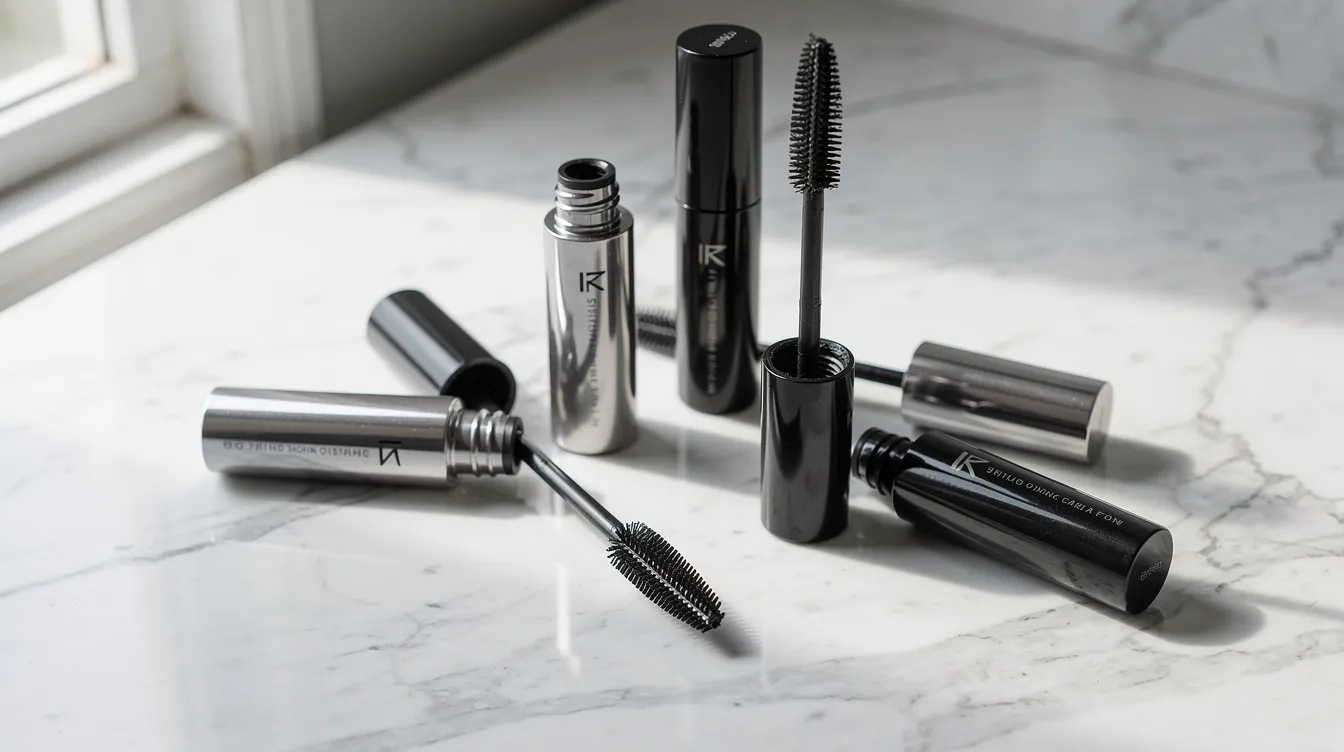
Choosing the Right Shades and Finish
There are no rigid “too old” rules here. Choosing between shades is about what makes you feel most like yourself.
- Brown and brown-black: These shades offer softer definition that many women love with lighter, silver or gray hair. A deep brown is lovely for daytime or anyone wanting a subtle, natural look.
- Black and deep black: Classic black is beautiful at any age, especially paired with dark hair or strong brows. Keep it elegant with one coat focused at the roots if you prefer a softer effect.
- Colored mascaras: Soft plum, navy or burgundy shades can enhance eye color without shouting. Experiment for evenings or special occasions if playfulness appeals to you.
- Finish: A softly glossy finish can make lashes look healthy and thicker. Very wet-look formulas may transfer on hooded lids. Blotting the brush on a tissue before application helps control mess regardless of finish.
Mascara Brushes That Flatter Mature Lashes
The brush is often just as important as the formula. Any makeup artist will tell you the brush determines how product lands on your lashes.
- Slim, straight brushes: Great for short lashes. Slim or comb-style brushes help separate fine lashes instead of clumping them together, and they reach inner and outer corners on small or deep-set eyes.
- Curved brushes: These follow the natural lash line, helping lift lashes without pinching skin; useful when you want curl but don’t always reach for an eyelash curler.
- Rubber or silicone brushes: Known for separation and definition, helping reduce clumps on thinning lashes. Ideal if you prefer a neat, fanned-out look.
- Dense, fluffy fiber brushes: Better for soft volume; use a light hand so you don’t overload delicate lashes.
- Micro or detail brushes: Perfect for short lower lashes or for filling in outer corners.
Once you know which brush style you like, choosing new mascaras becomes much easier.
How to Apply Mascara: Step-by-Step
Technique often matters more than having the trendiest product. Here is a simple approach so your lashes look their best. For even more eye makeup ideas, explore our makeup tricks for eyes after 50.
- Prep the eye area: Apply eye cream sparingly and give it time to absorb before any makeup. A light dusting of translucent powder on lids can help reduce transfer.
- Curl gently: Use a lash curler before mascara for added lift. Place it near the base, squeeze gently for a few seconds, then release. Skip curling once mascara has dried, since dry, coated lashes are more likely to bend or break.
- First coat at the roots: Wipe excess product off on a tissue. Place the brush at the base, wiggle it to separate lashes, then sweep from root to tip. This creates a soft anchor of color at the lash line.
- Build with light layers: One to two coats is usually plenty to avoid heaviness. Thin layers look softer than one thick, wet coat.
- Lower lashes (optional): Use a very light touch with a detail brush, or skip lower lashes entirely if smudging is a constant issue.
- Comb and clean: Use a clean spoolie or lash comb right away if clumps appear. A cotton swab dipped in micellar water tidies any smudges once mascara dries.
- Optional extras: A lash primer can add subtle length and grip. Tightlining (lining the upper waterline) can make lashes look fuller, but skip it if your eyes are very sensitive.
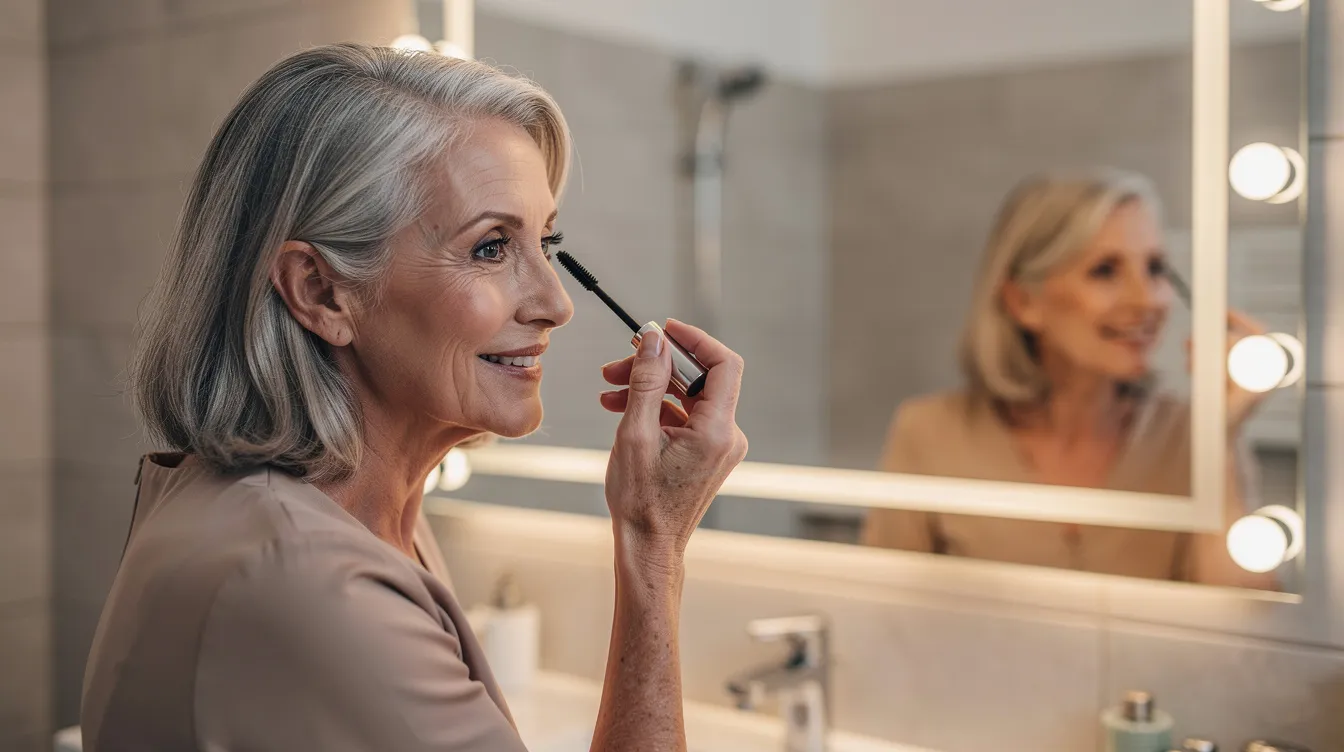
Gentle Removal and Everyday Lash Care
How you remove eye makeup is just as important as how you apply it. Rough removal can be hard on delicate lashes and mature skin.
- Removers to consider: Oil-based or dual-phase removers work well for long lasting and water resistant formulas. Micellar water on reusable cotton rounds suits sensitive eyes or lighter formulas. Tubing mascara usually comes off with warm water. Check out our guide to the best eye makeup removers for more options.
- Technique: Soak a cotton pad, hold it gently over closed eyes for several seconds to let the makeup remover work, then swipe downward rather than scrubbing side to side. Repeat with fresh pads until no residue remains, and follow with your usual gentle face wash.
- What to avoid: Harsh scrubbing, picking off dried mascara, and sleeping in eye makeup.
- Lash-friendly habits: Give lashes mascara-free days when you like, brush bare lashes with a clean spoolie, and wash tools regularly.
- Eyelash-growth serums: Some women ask about lash serums or prescription options for thinning lashes. Please talk with an eye doctor or dermatologist before starting any growth product, especially if you have sensitive eyes or an existing eye condition.
Eye Health, Safety, and When to Replace Your Mascara
A little hygiene goes a long way toward comfortable, healthy eyes.
- Replace mascara regularly: According to the U.S. Food and Drug Administration, manufacturers usually recommend discarding mascara two to four months after purchase. The FDA also advises throwing out dried-up mascara rather than adding water or saliva to moisten it. Retire any tube sooner if it changes smell or texture or irritates your eyes.
- Don’t share: The FDA advises against sharing or swapping eye cosmetics, and notes that the risk of contamination may be even greater with testers at retail stores. If you want to try a product in-store, ask for a single-use applicator.
- Patch test new products: Try a new mascara on a small area first, especially if you have sensitive eyes or wear contact lenses.
- When to seek help: See an eye doctor or dermatologist if you notice sudden lash loss, persistent redness, stinging or swelling, and stop using any product that causes discomfort. Caring for your eyes is an act of self-respect, not fear.
Honey Good’s Approach: Confident, Joyful Beauty After 50
At Honey Good, we believe beauty after 50 is about feeling visible, vibrant and wholly yourself. That is why we focus on helping you recognize which formulas and brushes serve your own lashes and lifestyle, rather than ranking products.
Think about your main priorities:
- Smudge resistance vs. ultra-easy removal
- Drama vs. subtle definition
- Extra conditioning vs. maximum length
Consider building a small “mascara wardrobe”: one everyday conditioning formula, one tubing or water resistant option for long days, and an optional bolder formula for evenings or photos. Enjoy the ritual, from curling your lashes to choosing between deep brown and classic black, as a few quiet moments of self-care each morning.
For more ideas on creating a complete eye makeup look for women over 50, we have plenty of stories waiting for you.
FAQ: Mascara for Older Women
Is it safe to use an eyelash curler on brittle lashes?
A clean eyelash curler can be used gently, always before mascara rather than on dry, coated lashes. Clean the curler regularly and replace worn pads so they don’t pinch or snag. Use slow, light pressure at the base, and skip curling on days when your lashes feel especially delicate.
How can I stop my mascara from smudging under my eyes?
Natural skin oils, rich eye creams and watery eyes are common causes of smudging. Let eye cream absorb before you apply mascara, keep heavier creams away from the lower lash line, and try a smudge proof or tubing formula with a light coat. A little translucent powder under the eyes can also help.
What should I look for if my lashes are thinning?
Look for a lightweight, non-waterproof formula that doesn’t require rubbing to remove. Tubing or conditioning formulas coat each lash without feeling heavy. Take mascara-free breaks when you like, and talk with a doctor if you notice sudden or dramatic lash loss.
Is brown mascara better than black for mature women?
Neither is universally “better”; it depends on your coloring and the effect you want. Brown or brown-black gives softer definition that many women enjoy for daytime, while black is beautiful at any age. Choose the one that makes you feel most like yourself.
How often should I replace my mascara?
The FDA notes that manufacturers usually recommend discarding mascara two to four months after purchase. Replace it sooner if it dries out, smells off or irritates your eyes.
Next Steps: Explore More Honey Good Beauty and Lifestyle Inspiration
Take what you’ve learned, look at the mascaras you already own, and choose the one that best suits your lashes before buying anything new. Explore more Honey Good beauty stories and recent articles on style and living fully. Join the Honey Good newsletter for beauty and lifestyle ideas for women over 50, and browse the Honey Good boutique for pieces that fit your personal style.
Every swipe of mascara can be a quiet reminder: you are visible, vibrant and very much the author of your own beauty story.
+ show Comments
- Hide Comments
add a comment